

In a world that is increasingly driven by fast production and fleeting trends, reclaimed wood furniture offers something rare - authenticity, history, and longevity. Made from wood that has already lived a life, often for decades, sometimes centuries, reclaimed furniture connects the past with the present in a way few materials can.
From dining tables crafted from old barn beams to cabinets built from salvaged elm, oak, fir or teak, reclaimed wood has become a cornerstone of thoughtful interior design. But what is it about reclaimed wooden furniture that continues to resonate so strongly with homeowners, designers, and craftsmen alike?
What Exactly Is Reclaimed Wood?
Reclaimed wood refers to timber that has been salvaged from old structures such as barns, factories, warehouses, railway sleepers, boats, or demolished buildings. Instead of being discarded, this wood is carefully recovered, cleaned, and repurposed into furniture and architectural elements.
Because it has aged naturally, it displays characteristics rarely found in newly milled timber:
- Deep grain patterns and a rich, natural patina.
- Historical "memory" seen in nail holes, saw marks, and subtle weathering.
- Unique storytelling where no two pieces are ever identical.
Benefits of Reclaimed Wood Furniture
- Sustainable: reuses existing timber instead of calling for new harvesting.
- Durable: dense, pre-seasoned wood that is built to last.
- Unique: every piece carries its own grain, patina, and history.
- Versatile: suits farmhouse, industrial, coastal, modern, and traditional homes.
A Material With a Story
One of the most compelling characteristics of reclaimed wooden furniture is its narrative quality. Each piece carries visible evidence of its previous life; marks that cannot be artificially replicated. These details are not flaws; they are records of history.
Design writers often describe reclaimed wood as having “memory” - a material shaped by weather, human use, and time. This sense of history adds emotional depth to furniture, transforming everyday objects like dining tables, desks, or bookcases into conversation pieces with character and soul.
Why Reclaimed Wood is the Sustainable Choice
Reclaimed wood is frequently associated with sustainability, but its environmental value goes beyond trend-driven “green” marketing.
By reusing existing timber:
- Saving Forests: Reducing the demand for virgin timber harvesting.
- Reducing Waste: Diverting high-quality materials from landfills.
- Lowering Carbon Footprints: Avoiding the high energy costs associated with milling and processing new wood.
According to forestry and sustainable design bodies, extending the lifecycle of materials is one of the most effective ways to reduce environmental impact. Reclaimed wood aligns naturally with this principle, making it a responsible choice for those who value long-term environmental stewardship.
Is Reclaimed Wood Durable? Strength Built Over Time
Yes. Reclaimed wood is often old-growth timber that has already settled through decades of use, which is why it holds up so well in everyday furniture.
Older timber was often sourced from slow-growing trees, resulting in denser, stronger wood than much of what is commercially available today. Over time, reclaimed wood has already gone through natural expansion and contraction, making it more dimensionally stable.
This inherent durability makes it the ideal choice for "heirloom" furniture, including:
- Dining Tables that anchor a room.
- Sideboards & Cabinets built for daily use.
- Desks & Bookcases that require structural integrity.
When properly crafted, reclaimed wooden furniture is not only beautiful but built to endure everyday life.
✨ Transform Your Space
Ready to bring a piece of history into your home? Discover our curated collection of unique, sustainable furniture. Shop Reclaimed Furniture at Velvet Home & Living
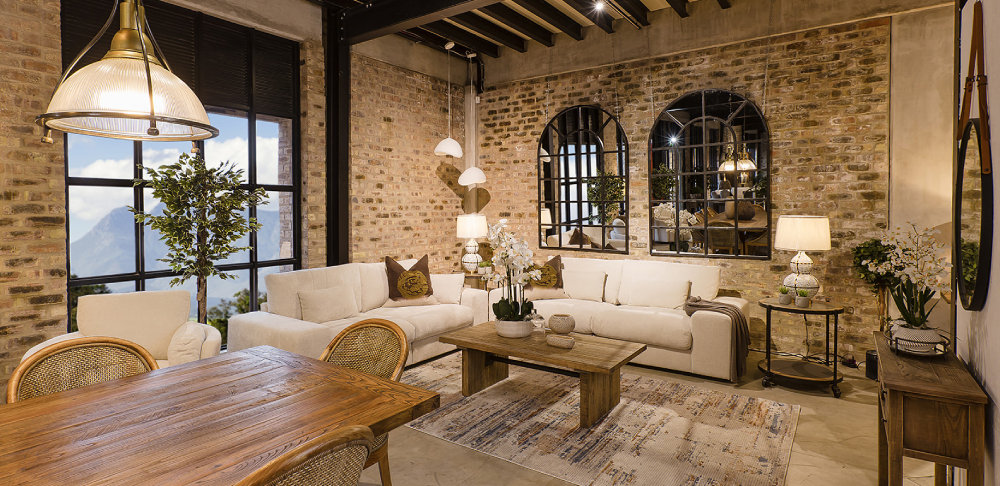
How to Style Reclaimed Wood Furniture: From Farmhouse to Modern Minimalist
The simplest way to style reclaimed wood furniture is to let the grain and patina lead and keep the rest of the room understated.
One of the myths about reclaimed wood is that it only suits rustic or farmhouse interiors. In reality, its versatility is one of its greatest strengths.
Reclaimed wood works effortlessly in:
- Modern: Softens sharp lines and adds texture to minimalist spaces.
- Industrial: Complements raw metal and concrete finishes.
- Coastal: Lighter pines and teaks offer a weathered, sun-bleached aesthetic.
- Traditional: Oak and Elm provide a timeless, grounded feel.
Whether used for a coffee table, console, or large dining piece, reclaimed wood adapts to its surroundings while still maintaining its distinctive presence.
The Philosophy of Imperfection
In contemporary design, there is a growing appreciation for materials that feel honest and human. Reclaimed wooden furniture embodies this philosophy. Knots, cracks, and tonal variations are embraced rather than concealed.
This approach aligns closely with concepts such as wabi-sabi — a Japanese aesthetic that values imperfection, impermanence, and authenticity. Reclaimed furniture doesn’t strive to be flawless; it strives to be real.
At a Glance: Reclaimed Wood vs. New Wood
| Feature | Reclaimed Timber | New Timber |
| Durability | High (Old-growth density) | Moderate |
| Stability | Exceptional (Pre-seasoned) | Prone to warping |
| Environmental Impact | Eco-Positive | High Resource Demand |
| Aesthetic | Unique Patina | Uniform / Flat |
Furniture That Ages Gracefully
Unlike trend-driven pieces that can feel dated within a few years, reclaimed wooden furniture tends to age beautifully. As it continues to be used, it develops additional patina, deepening its character rather than diminishing it.
This quality makes reclaimed furniture particularly appealing for families and long-term homes, where pieces are chosen not just for now, but for years to come.
A Thoughtful Choice
Choosing reclaimed wooden furniture is ultimately a considered decision. It reflects an appreciation for craftsmanship, respect for natural materials, and a desire for objects that carry meaning beyond their function.
In a time when many products are designed for short-term use, reclaimed wood stands as a reminder that beauty, durability, and sustainability can coexist — quietly, honestly, and enduringly.
Bring character and soul to your interior design. For all your sustainable furniture and décor needs, visit us online to find your next statement piece.
👉 Explore the Velvet Home & Living Collection
Frequently Asked Questions
How Do I Care for Reclaimed Wood Furniture?
Dust regularly with a soft, dry cloth and wipe spills straight away. Use coasters and placemats to protect the surface, keep pieces out of prolonged direct sunlight and away from heaters, and avoid soaking the wood with water. If the finish dulls over time, re-oil or re-wax it in line with the maker's guidance. Our Care Instructions page has more detail.
Is Reclaimed Wood Furniture Eco-Friendly?
Yes. Reusing existing timber reduces demand for new harvesting, diverts quality material from landfill, and avoids the energy used to mill and process new wood. That makes reclaimed wood one of the more eco-friendly furniture materials available.
What Is the Difference Between Reclaimed Wood and New Wood?
Reclaimed wood is salvaged timber that has been repurposed, while new wood is freshly milled. Reclaimed timber is typically denser, more stable, and has a unique patina. New timber is more uniform and relies on fresh forest resources. The comparison table above shows the differences side by side.
Is a Reclaimed Wood Dining Table a Good Choice for Families?
Yes. A reclaimed wood dining table suits family life because dense, pre-seasoned timber copes well with daily use, and everyday knocks and marks add to its character rather than spoil it.
Where Can I Buy Reclaimed Wood Furniture in South Africa?
You can see reclaimed wood furniture in South Africa at Velvet Home & Living's showrooms in George (78 Hope Street) and Knysna (Shop 6, Broadwalk Centre, 52 Waterfront Drive). You can also browse online or call us on 044 873 0381. Find your nearest showroom.


